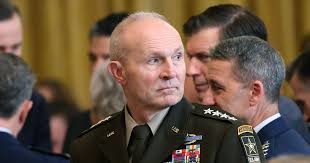
Major Shift in U.S. Army Leadership
Pete Hegseth has reportedly ousted Randy George from his role as Chief of Staff of the United States Army, marking a significant development in U.S. military leadership.
The move has drawn national attention due to the importance of the position in shaping military operations, readiness, and strategic direction.
Who Is Gen. Randy George?
Randy George served as the Army’s top uniformed officer, overseeing troop readiness, modernization programs, and global operations.
His tenure included managing complex defense challenges and contributing to policy execution at the highest levels of the military.
Possible Reasons Behind the Decision
While official details remain limited, analysts suggest the decision could be tied to broader defense policy changes, leadership restructuring, or strategic disagreements.
Pete Hegseth has been vocal on military issues, which may signal a shift in priorities within defense leadership.
Impact on the U.S. Military
The removal of a sitting Army Chief of Staff is rare and could have wide-reaching implications:
- Changes in military strategy and planning
- Potential shifts in defense policy direction
- Effects on morale and leadership continuity
Experts say the appointment of a successor will be closely watched in Washington.
Political and Public Reaction
The reported ousting has sparked mixed reactions among policymakers, defense analysts, and the public. Some see it as a necessary change, while others raise concerns about stability within the military leadership structure.
What Happens Next?
Attention now turns to who will replace Randy George and how quickly the transition will take place.
The coming weeks are expected to bring more clarity as officials provide updates and outline the future direction of the U.S. Army.
Conclusion
The reported decision by Pete Hegseth to remove Randy George signals a pivotal moment in U.S. military leadership. As more details emerge, the long-term impact on defense policy and operations will become clearer.